Honeycomb Dunnage and Void Fill: Stopping Load Shift in Containers
The gap at the container door is where cargo damage starts. Here is how paper honeycomb blocks and panels fill it without timber, extra weight or a fumigation certificate.
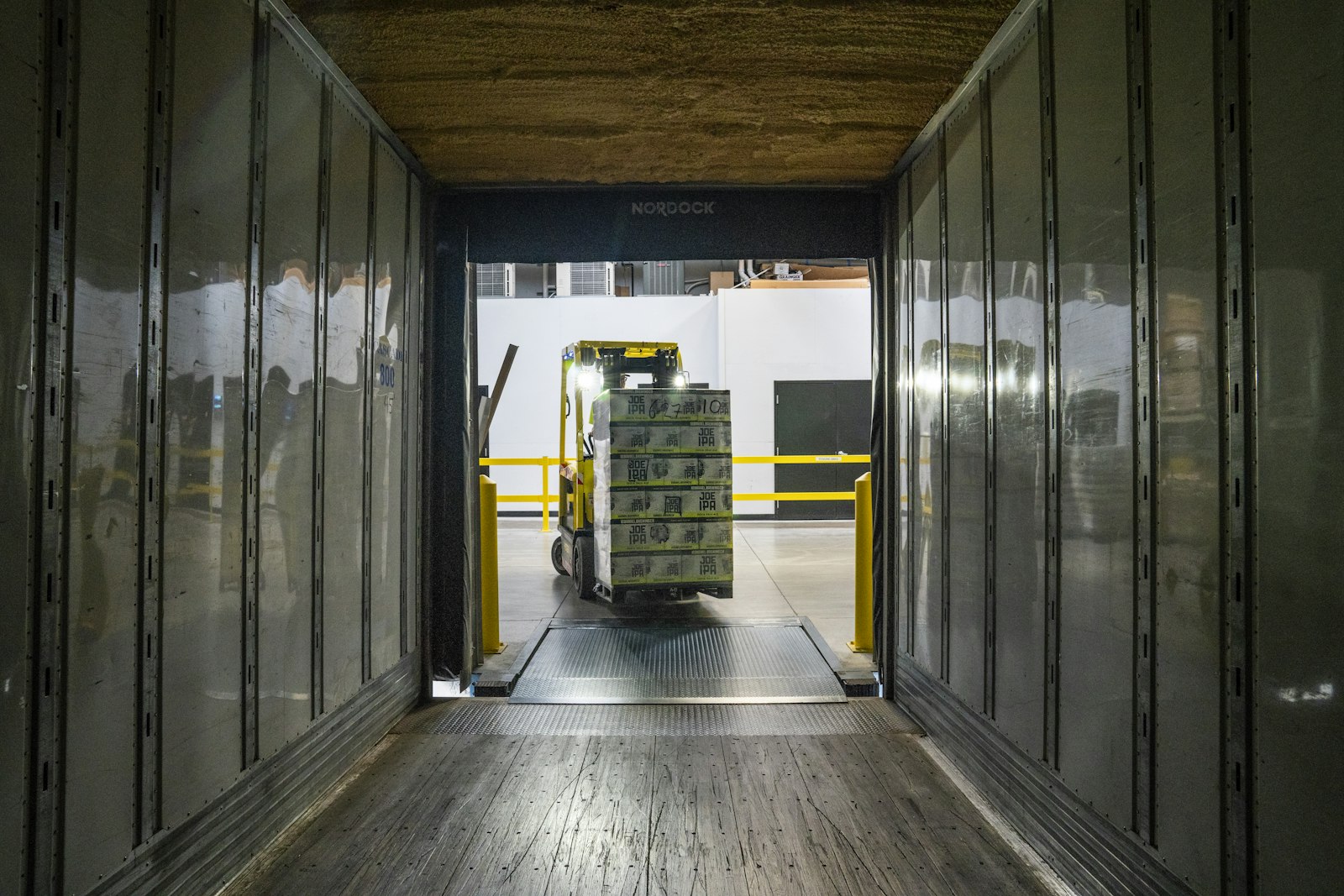
Honeycomb dunnage and void fill are blocks, panels and spacers of paper honeycomb board wedged into the empty spaces between pallets, crates and container walls so the load cannot shift in transit. They do the job that timber bracing and offcuts have traditionally done, but they are much lighter, they are exempt from ISPM-15 because they are paper rather than wood, and at destination they go into ordinary paper and cardboard recycling.
This article explains where void fill matters in a container or truck load, how honeycomb dunnage is sized and fitted, what changes against timber bracing, and where honeycomb is the wrong choice. It applies to standard kraft honeycomb board of the kind phb manufactures in Balakong, Selangor, Malaysia.
Why empty space in a container causes cargo damage
A container rarely fills perfectly. Pallet footprints leave gaps along the side walls, a short last row leaves a space at the doors, and mixed loads leave pockets between crates of different sizes. On the ship, under the port crane and on the truck, those gaps let the load slide, tip and hit the walls. Much shifting damage is caused not by the sea itself but by cargo that had room to move.
Void fill takes that room away. The goal is simple: every row pressed tight against the next, and the last row held back from the doors so nothing falls out when the container is opened.
How honeycomb dunnage is sized and fitted
Honeycomb void fill comes as flat panels, stacked blocks and laminated spacers. Sheets are made from 10mm to 50mm thick and up to 2.4m x 1.2m, and wider gaps are filled by laminating several layers into one block. The panels are cut to the measured gap, slid in between pallets or between the load and the wall, and pressed tight. Because the cells stand upright between two kraft liners, a honeycomb block resists crushing across its face; engineered honeycomb reaches a compression strength of around 12kN.
Measure the gap after the load is in, not from the loading plan. As an illustrative example, an exporter loading furniture crates might keep a small stock of pre-cut 50mm panels and laminated blocks by the loading bay, and use them to close the side gaps and the door gap on every container.
What changes against timber bracing
Timber bracing is heavy, has to be cut and nailed on site and, because it is wood packaging, falls under ISPM-15: it must be heat-treated or fumigated and carry the IPPC stamp, or the whole shipment can be held at the border. In 2025 the USDA recorded more than 24,000 wood packaging interceptions. Paper honeycomb is exempt from ISPM-15, so dunnage made from it needs no treatment, stamp or certificate.
Honeycomb is also far lighter, which matters on air freight where every kilogram is charged, and it removes nails and splinters from the loading bay. At destination the consignee puts it in paper recycling instead of paying to dispose of timber offcuts.
Where honeycomb dunnage is the wrong choice
Standard honeycomb is not waterproof. A container with condensation or a wet floor will soften unprotected panels, so use coated or laminated builds on humid routes and keep dunnage off standing water. Very large voids, dense liquid loads and heavy machinery that pushes hard against its restraints need an engineered securing plan, usually lashing and blocking designed for that load, with honeycomb used for the smaller gaps. Honeycomb void fill is not a substitute for proper cargo securing; it works alongside it.
Frequently asked questions
What is the best void fill for a shipping container?
It depends on the gap and the cargo. For the common gaps between pallets, crates and walls in dry general cargo, honeycomb panels and blocks are light, easy to cut to size and need no ISPM-15 treatment. Very large voids or heavy machinery need an engineered securing plan, with honeycomb used alongside lashing for the smaller gaps.
Does honeycomb dunnage need ISPM-15 treatment?
No. ISPM-15 applies to wood packaging material, and paper honeycomb is exempt. Honeycomb dunnage, void fill and bracing need no heat treatment, no fumigation, no IPPC stamp and no certificate. Timber bracing in the same container does fall under ISPM-15, so replacing it removes one common reason shipments are held at the border.
Where can I buy honeycomb dunnage in Malaysia?
phb manufactures paper honeycomb board in Balakong, Selangor, Malaysia, in thicknesses from 10mm to 50mm and sheet sizes up to 2.4m x 1.2m, which can be cut into void fill panels or laminated into blocks. Send your container plan or gap sizes by WhatsApp on +6016-891 6381 or to [email protected] for a proposal.
Close the gaps in your next container
Send us your load plan, the gap sizes you usually see and your route. We will propose honeycomb panels and blocks to fill them and send a sample kit to try at your loading bay.