Container Rain: Why Tropical Sea Freight Ruins Cargo Before It Arrives
The container never leaked. The moisture was already inside — in the air, and in the wood you packed with.
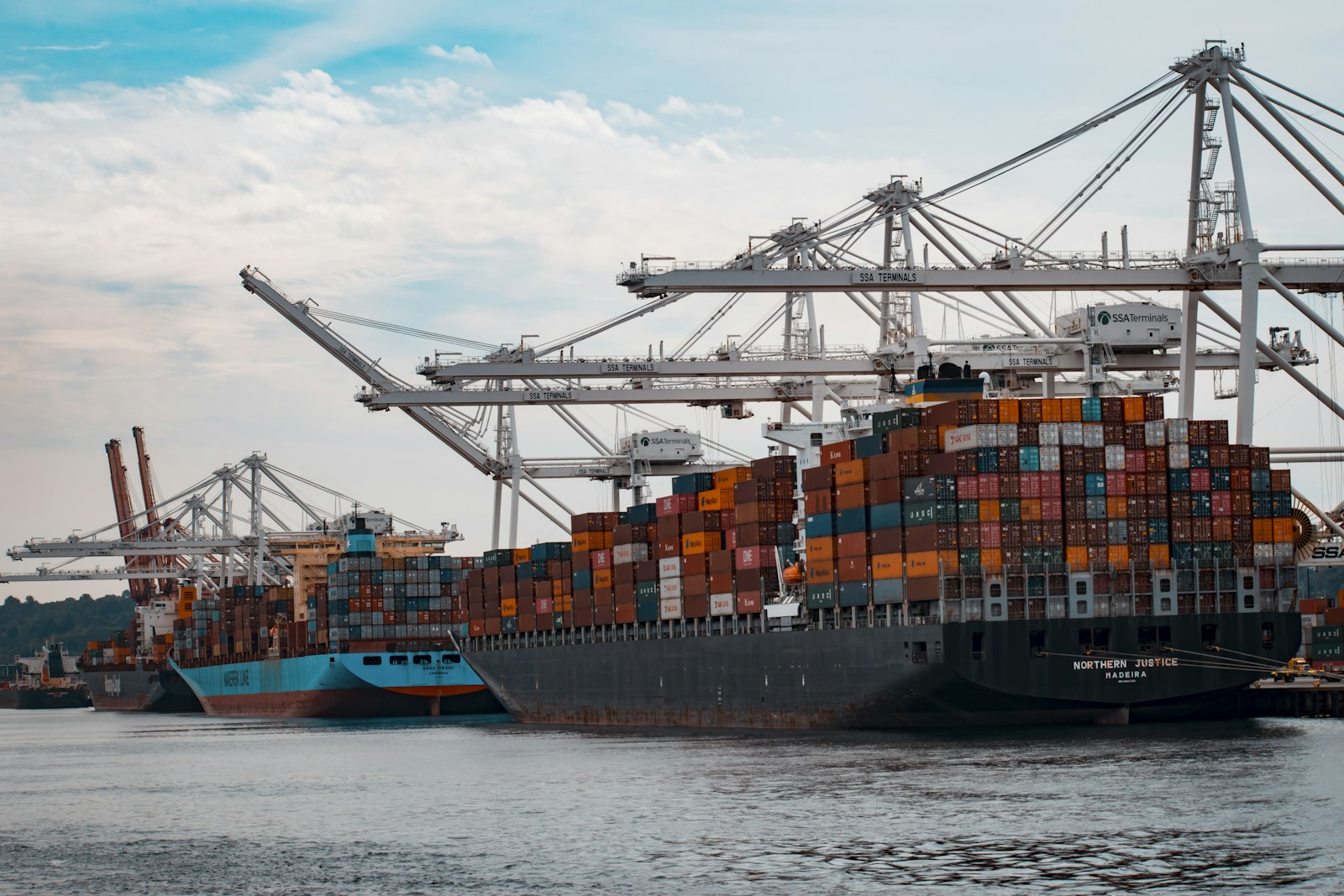
A container leaves Port Klang at 33 degrees with humid air sealed inside. Somewhere in the crossing, night temperatures drop, the steel roof cools below dew point, and the moisture in that air condenses and rains back down onto the cargo.
Shippers call it container rain or container sweat, and it is one of the most common causes of marine cargo claims. Critically, the biggest single source of that moisture is often not the weather. It is the packaging.
Where the water actually comes from
Every container carries moisture in three places: the humid air sealed in at loading, the moisture content of the cargo itself, and the moisture held inside wooden packaging.
Timber is hygroscopic. A wooden pallet can hold a substantial share of its weight as water, and in a hot container that water evaporates into the air, raises the internal humidity, and then condenses onto whatever is coldest, which is usually the cargo at the top of the stack.
This is why a shipment can arrive water-damaged with no leak, no rain exposure, and a perfectly intact container seal.
What it does to your consignment
Mould on cartons and labels. Even where the product is unaffected, mould-stained outer packaging is routinely rejected by receivers in food, pharmaceutical, and consumer goods supply chains.
Corrosion on metal parts and electronics. Condensation plus salt air is an aggressive combination for exposed metal, connectors, and circuit assemblies.
Collapsed stacks. Wet corrugated loses a large share of its compression strength, so a stack that was stable at loading can slump in transit.
Rejected deliveries and claims. Marine insurers frequently attribute these losses to inadequate packaging rather than a peril of the sea, which affects how the claim is settled.
Reducing the moisture you load in
The most effective control is to reduce the water that enters the container in the first place. Replacing wooden pallets and crates with paper honeycomb removes a significant hygroscopic mass from the load, because honeycomb is manufactured dry and stored dry rather than arriving with the moisture content of freshly milled timber.
Pair that with the standard controls: desiccant bags sized to container volume, container liners where appropriate, loading during cooler hours, and avoiding the trap of loading warm cargo into a cold container.
For genuinely humid routes, honeycomb can also be specified with moisture-resistant coatings or PE lamination — worth discussing when the transit is long or the cargo is moisture-sensitive.
Being straight about the limits
Paper honeycomb is not waterproof, and we will not claim otherwise. Saturated honeycomb loses strength, exactly as corrugated does.
The advantage is different: honeycomb does not bring water into the container with it, does not feed mould the way sapwood does, and holds its dimensions as long as it stays dry. For permanently wet handling or open-deck exposure, plastic or treated plywood remains the better specification.
Frequently asked questions
What causes container rain in sea freight?
Humid air sealed into the container at loading condenses when the steel structure cools below dew point at night. The water then drips onto cargo. Moisture released by wooden packaging and by the cargo itself raises the internal humidity and makes condensation more likely.
Does paper honeycomb reduce moisture problems in containers?
It reduces the moisture you load in. Honeycomb is manufactured and stored dry rather than arriving with the moisture content of timber, so it contributes far less water vapour to the container atmosphere. It should still be combined with desiccants and good loading practice.
Can honeycomb packaging be used on humid tropical routes?
Yes, and it is widely used on Malaysia and Singapore export lanes. For long or particularly humid transits, boards can be specified with moisture-resistant coating, PE lamination or wax treatment, and cargo should be film-wrapped as with any packaging.
Specify for the crossing, not just the load
Tell us your route, transit time and cargo sensitivity, and we will recommend the board grade and any moisture treatment needed.