Honeycomb Board for Museum and Gallery Exhibition Walls and Panels
A temporary gallery wall that two people can move, interpretation panels that stay flat for the whole show and a de-install that ends in paper recycling.
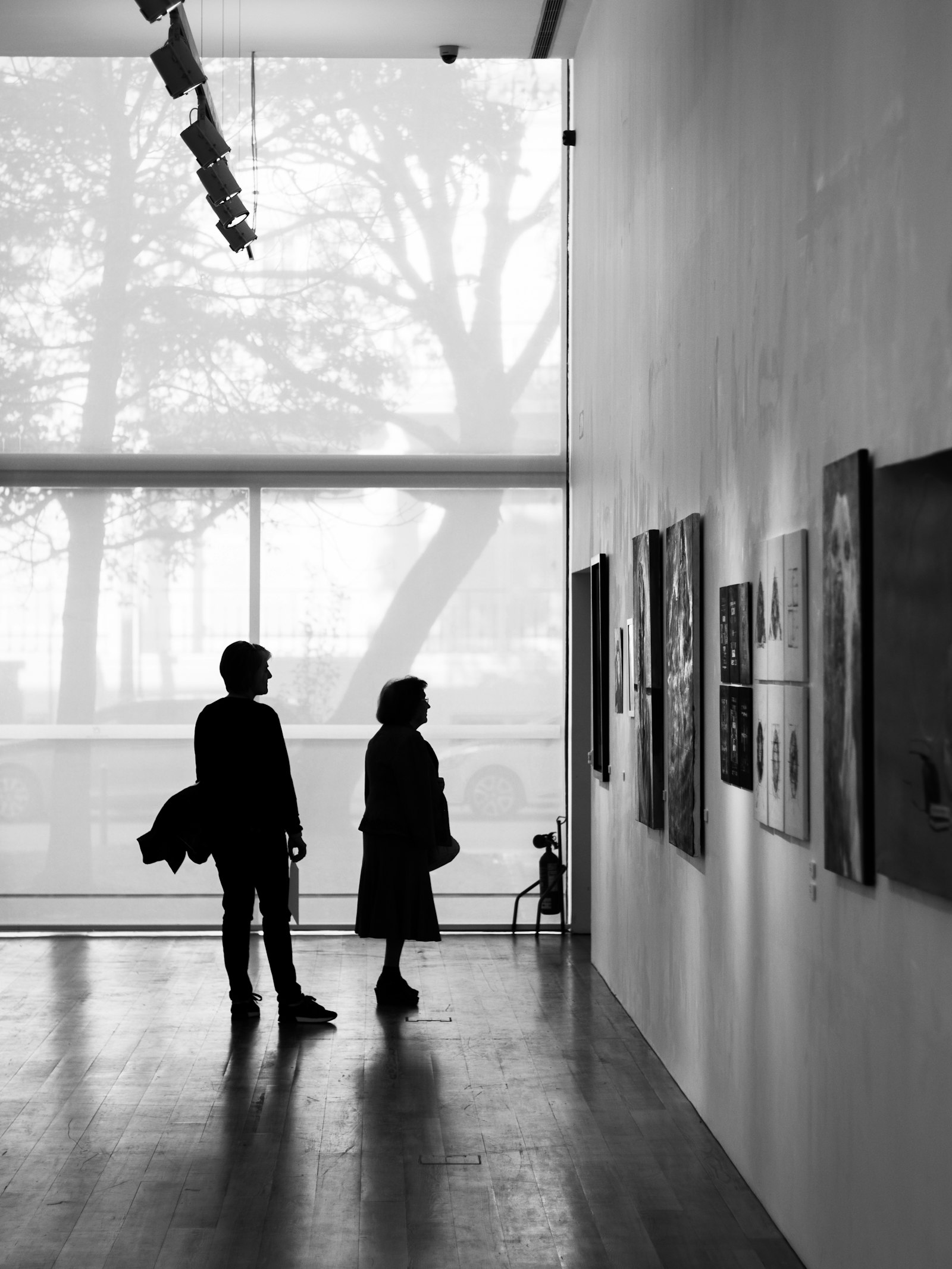
Honeycomb board suits museum and gallery exhibition walls because a full sheet is rigid enough to stand as a free-standing partition or carry printed interpretation, light enough for a small team to rearrange a room between shows, and recyclable as paper when a temporary exhibition closes. Museums, university and community galleries, heritage centres and corporate galleries use it for temporary walls, text and graphic panels, room dividers and object labels.
This article covers which gallery elements suit honeycomb, how to build and hang them, what changes against timber stud walls and MDF, and where it is the wrong choice, including fire rules and contact with original works. It applies to standard kraft honeycomb board of the kind phb manufactures in Balakong, Selangor, Malaysia.
Which gallery and museum elements suit honeycomb board
Interpretation is the strongest fit: introduction panels, section texts, timelines, maps and large captions printed on a laminated sheet and mounted on 10–20mm board, which stays flat under gallery lighting. Free-standing partitions and short temporary walls follow, built from 30–50mm board in sheets up to 2.4m x 1.2m, joined edge to edge and stabilised with feet or returns.
Smaller pieces round out a show: object labels, wayfinding signs, low plinths and showcase backboards for light objects, and children's activity panels in education corners.
How to build and hang honeycomb gallery walls
Tall walls need a stable footprint: an L or T plan, a returned end, weighted feet or a slim timber or aluminium frame inside the joint between panels. Join panels with slots, glued splines or concealed brackets, and cap open edges with tape, a laminated strip or a timber lipping for a clean line. Laminate printed graphics or a paint-ready sheet to the face before cutting so text panels keep sharp edges.
Light framed prints and graphics can hang from the board using wide-head fixings or adhesive hangers rated for the weight; heavier framed works should hang from a timber batten fixed into the panel or from the permanent gallery wall. As an illustrative example, a community gallery might build six text panels and two free-standing partitions for a three-month photography show, then reprint the text panels for the next show.
What changes against timber stud walls and MDF
Build and de-install are faster and quieter, with less sawing and sanding in a working museum. Panels can be carried by one or two people through ordinary doors and lifts, which matters for galleries without a goods lift. Between shows, walls are stored flat and reused in a new layout.
When panels reach the end of their life, they go into ordinary paper recycling as mono-material kraft paper instead of a skip of painted MDF, which supports the sustainability reporting many institutions now publish. Per sheet, honeycomb costs more than foam board and less than MDF at similar rigidity.
Where honeycomb is the wrong choice in a museum
Paper is combustible, so check the building fire strategy and any requirement for flame-retardant treated materials before you build. Do not place standard honeycomb in direct contact with original artworks, textiles or archival documents unless your conservator approves the materials; use it for interpretation and structure, not as a mount or enclosure for sensitive objects. Standard honeycomb is not waterproof, so outdoor courtyards and areas that are wet-cleaned need a sealed, laminated build or another material. Permanent galleries and walls carrying heavy objects need engineered walls.
Frequently asked questions
Can honeycomb board be used for museum exhibition walls?
Yes, for temporary walls, partitions and interpretation panels. Build tall walls from 30–50mm board in an L or T plan or with weighted feet, and laminate printed graphics to the face. Check the building fire rules first, and keep standard honeycomb out of direct contact with original works unless your conservator approves the materials.
Can you hang pictures on honeycomb board walls?
Light framed prints and graphics can hang from honeycomb using wide-head fixings or adhesive hangers rated for the weight. For heavier frames, fix a timber batten into the panel and hang from that, or use the permanent gallery wall. Always test a fixing on an offcut of the same board before hanging a show.
Where can galleries in Malaysia get honeycomb board for exhibitions?
phb manufactures honeycomb board in Balakong, Selangor, in thicknesses from 10mm to 50mm and sheet sizes up to 2.4m x 1.2m, for galleries, museums and exhibition builders. Ask for a sample kit to test fixings and finishes, or send your floor plan by WhatsApp on +6016-891 6381 for a quote on the sheets.
Plan your next temporary show
Send us the floor plan, the number of walls and panels, and how the room changes between shows. We will suggest thicknesses and send a sample kit for your team to test fixings and finishes.