Honeycomb Board Exhibition Counters, Plinths and Stand Furniture
The walls of a stand get all the attention, but the counter, plinths and shelves are what visitors touch. Here is how exhibitors build them from paper honeycomb that packs flat.
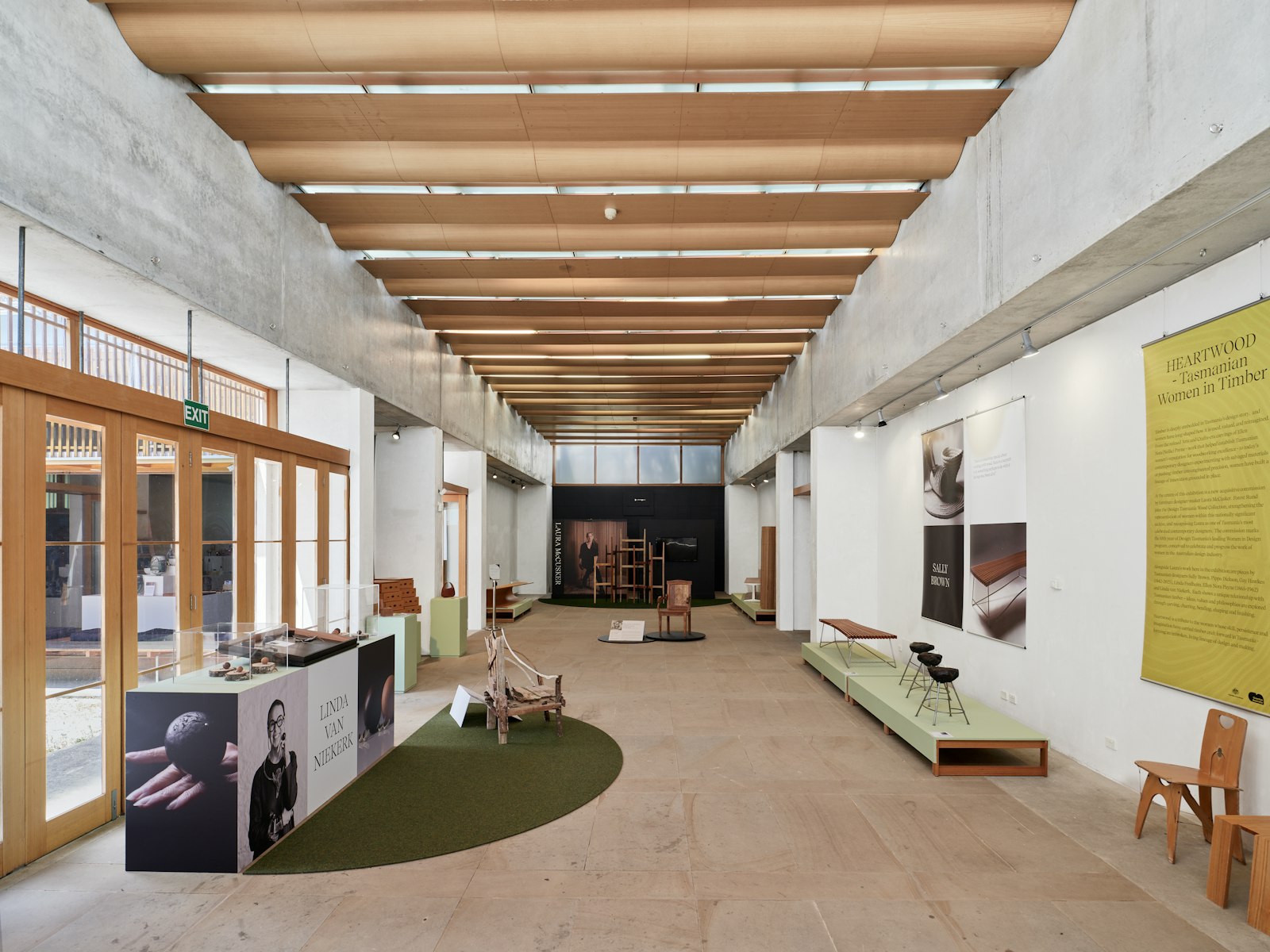
Honeycomb board exhibition counters, plinths and stand furniture are reception desks, product plinths, display cubes, shelving units and brochure stands built from slot-together paper honeycomb panels. They pack flat, one person can carry each part, they are printed or laminated to match the stand graphics, and after the show they go into ordinary paper recycling. Exhibitors use them at trade shows, product launches, gallery exhibitions and pop-up stores.
This article covers what stand furniture can be built from honeycomb, how the parts are designed to carry product and survive a show, what it changes against MDF and hired furniture, and where it is the wrong choice. It applies to standard kraft honeycomb board of the kind phb manufactures in Balakong, Selangor, Malaysia.
What stand furniture can be made from honeycomb board
The common pieces are a reception or demo counter with a branded front, product plinths and display cubes in several heights, open shelving for samples, a brochure stand, and low tables for meetings. Most are made as kits of flat panels with slots and tabs that push together on site without tools or glue. Sheets up to 2.4m x 1.2m mean a full counter front or a tall plinth side can come from one sheet.
The graphics are printed on paper or synthetic sheet and laminated to the face before cutting, so the counter front, plinths and wall panels share the same artwork and colour. Direct UV printing onto the kraft face suits a natural, low-key look.
How honeycomb furniture is designed to carry product
Honeycomb is strong in compression when the cells stand upright between the liners; engineered honeycomb reaches a compression strength of around 12kN. Stand furniture uses that by putting the load on vertical panels: a plinth carries a product on its top through its four upright sides, and a shelf rests on vertical dividers rather than spanning a long gap on its own. Thicker board, 20–30mm or more, is used for tops and shelves that carry weight; 10–16mm suits fronts, headers and brochure pockets.
As an illustrative example, a small exhibitor showing kitchen appliances might use four 30mm plinths at different heights and a counter with an internal shelf for stock, all packed flat into a few cartons for the trip to the venue.
What it changes against MDF and hired furniture
MDF counters and plinths are heavy, need a workshop build and a lorry, and are usually scrapped after one or two shows. Hired furniture avoids the build but rarely matches the stand graphics. Honeycomb furniture is printed to match, packs flat, is carried in by one person and goes into paper recycling at the end, which matters to exhibitors with ESG reporting and to venues that charge for waste removal.
For international shows, flat-packed honeycomb is light to ship, and because paper honeycomb is exempt from ISPM-15, the crates and packaging around it need no heat treatment or fumigation if they are honeycomb too.
Where honeycomb stand furniture is the wrong choice
Standard honeycomb is not waterproof, so a bar or tasting counter with spills needs a laminated top, and wet-cleaned areas need another material. Seating, steps and anything people stand or sit on need an engineered design; do not improvise them. Heavy machinery demonstrations belong on steel or timber platforms. And furniture that must travel to many shows over several years is better built in aluminium or timber, with honeycomb used for the graphic fronts that change.
Frequently asked questions
Can an exhibition counter be made from cardboard?
Yes, if it is designed properly and made from rigid paper honeycomb board rather than thin corrugated. A honeycomb counter is built from slot-together panels, printed to match the stand, and carries its load on upright panels. It packs flat, is carried by one person and goes into paper recycling after the show.
How much weight can a honeycomb display plinth hold?
It depends on thickness, size and design. Honeycomb is strongest in compression through upright panels, and engineered honeycomb reaches around 12kN, so a well-designed plinth carries typical exhibition products on its top. For heavy items, tell your supplier the product weight and footprint so the thickness and internal supports can be specified.
Where can I get honeycomb stand furniture made in Malaysia?
phb manufactures honeycomb board in Balakong, Selangor, in sheets from 10mm to 50mm thick and up to 2.4m x 1.2m, and supplies stand builders and exhibitors. Send your stand drawings or a list of counters and plinths by WhatsApp on +6016-891 6381 or to [email protected] for a quote.
Furnish your next stand in honeycomb
Send us a list of the counters, plinths and shelves you need, the products they carry and the show dates. We will suggest thicknesses and quote the board for the build.