Honeycomb Pallet vs Plastic Pallet for Export: Which One to Choose
Both skip the fumigation certificate. The real question is what happens to the pallet after delivery, and whether it will ever come back.
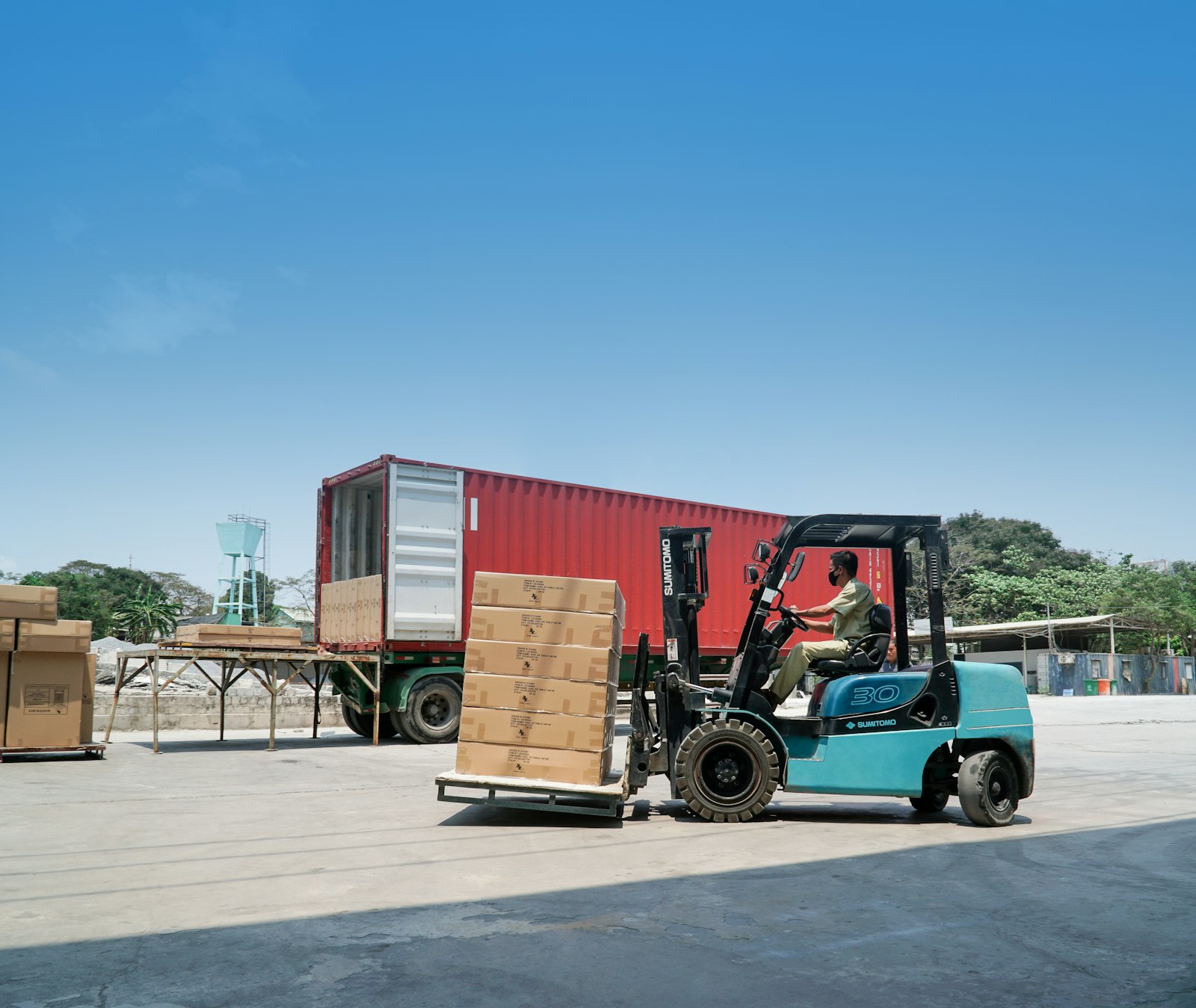
For one-way export of dry goods, and especially for air freight, a honeycomb pallet is usually the better choice than a plastic pallet: it weighs around 5kg, it is exempt from ISPM-15, and at destination it goes into ordinary paper recycling with no return trip. A plastic pallet is the better choice when pallets circulate in a closed loop and come back, and in wet, cold or washdown environments where paper does not belong. Both avoid the heat treatment and fumigation that wooden pallets need.
This article compares the two on compliance, what happens after delivery, weight and freight, and the conditions each one is built for, and ends with a short checklist for choosing. It applies to standard kraft honeycomb pallets of the kind phb manufactures in Balakong, Selangor, Malaysia.
Both avoid ISPM-15; the difference is what happens after delivery
ISPM-15 applies to wood packaging, so neither a plastic pallet nor a paper honeycomb pallet needs heat treatment, fumigation, an IPPC stamp or a certificate. That already removes the main border risk: in 2025 the USDA recorded more than 24,000 wood packaging interceptions, and 47 countries restrict methyl bromide fumigation.
The real difference starts at the consignee. A plastic pallet is built to make many trips, and that durability is part of its price. On a one-way export it rarely comes back, so the exporter pays for trips it will never make and the consignee is left to store or dispose of it. A honeycomb pallet is built for the one trip it makes, and the consignee puts it in paper and cardboard recycling, because it is mono-material kraft paper. With the EU PPWR in force, packaging that leaves an easy recycling route at destination is increasingly what buyers ask for.
Weight and freight: why the pallet itself is cargo
A honeycomb pallet weighs around 5kg, against around 25kg for a wooden export pallet, up to 80% lighter. Plastic pallets vary widely by design, so weigh the one you would use on your own scale rather than relying on a catalogue figure. On sea freight the difference is mostly handling; on air freight it is money, because the pallet is charged like cargo.
At a typical air freight rate of around US$4.50/kg (around RM20/kg), every kilogram on the pallet costs around RM20 per pallet position. As an illustrative example, replacing a 25kg wooden pallet with a 5kg honeycomb pallet saves about 20kg, or about RM400 per pallet position; for a plastic pallet, multiply its weight above 5kg by the same rate to see the gap on your own lanes.
Where a plastic pallet is the better choice
Standard honeycomb is not waterproof, so wet environments, cold rooms with condensation, washdown areas and outdoor storage are plastic territory, as are hygiene loops in food and pharmaceutical plants where pallets are washed and reused. Closed loops between your own sites, where pallets reliably come back, repay the durability of plastic. Racking where the pallet spans beams, and automated systems that need a pallet to survive years of handling, also favour a durable pallet. Honeycomb is not ESD-safe either, so sensitive electronics need a suitable ESD-protected pack whichever pallet is used.
A short checklist for choosing
Ask four questions. Will the pallet come back? If not, honeycomb. Is the cargo and its route dry? If yes, honeycomb works; if wet or cold, plastic. Is it air freight? Then every kilogram counts, and a light pallet pays. Will it sit in racking or an automated system for years? Then plastic. For load, honeycomb pallets are specified to the cargo; engineered honeycomb reaches a compression strength of around 12kN, so give your supplier the load weight, footprint and stacking height.
As an illustrative example, an exporter shipping boxed components by air to overseas customers might move those lanes to honeycomb pallets, while keeping plastic pallets for internal transfers between its own warehouses where pallets always return.
Frequently asked questions
Is a plastic pallet or a paper pallet better for export?
For one-way export of dry goods, especially by air, a paper honeycomb pallet is usually better: it weighs around 5kg, needs no ISPM-15 treatment and is recycled as paper at destination. A plastic pallet is better when pallets return in a closed loop, or when the cargo or storage is wet, cold or washed down.
Do plastic pallets need ISPM-15?
No. ISPM-15 applies to wood packaging material, so plastic pallets and paper honeycomb pallets are both exempt and need no heat treatment, fumigation, IPPC stamp or certificate. Wooden pallets and wooden dunnage do fall under ISPM-15, so any wood used elsewhere in the same shipment still has to be treated and stamped.
Where can I buy honeycomb pallets in Malaysia?
phb manufactures paper honeycomb pallets in Balakong, Selangor, Malaysia, specified to the load and footprint of your cargo. Send your pallet size, load weight and stacking height by WhatsApp on +6016-891 6381 or to [email protected], and ask for a packaging review or sample pallets to trial on one lane first.
Compare them on your own lane
Tell us your cargo, pallet size, load weight and whether it ships by air or sea. We will review the case for honeycomb against your current pallet and suggest a trial on one lane.