Honeycomb Board for School Art Projects: A Practical Classroom Guide
Big, rigid and light enough for a Year 4 pupil to carry, yet cut with the tools already in the art room. Here is how teachers use paper honeycomb board for class projects.
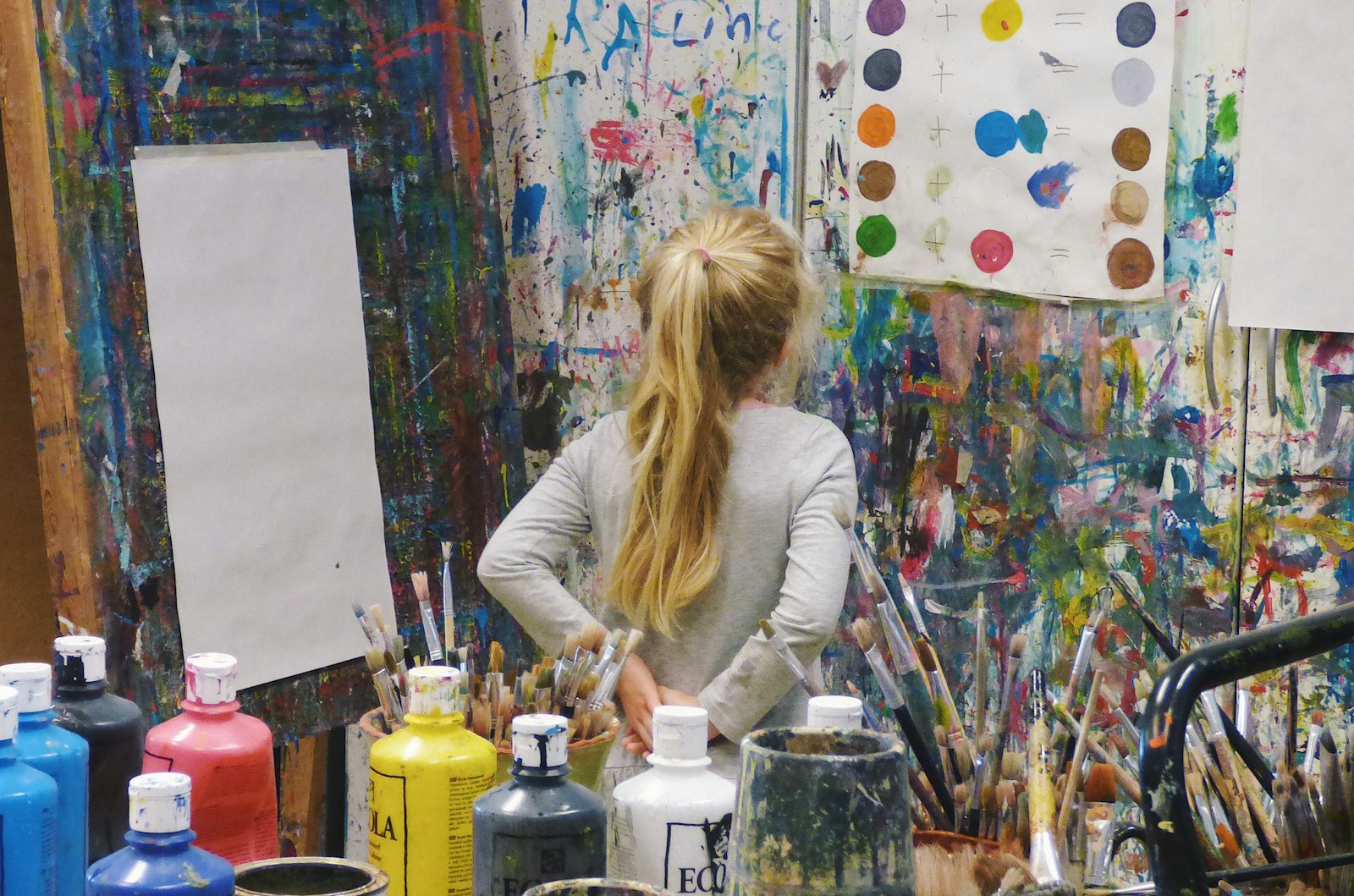
Honeycomb board works well for school art projects because it is rigid enough to stand on its own at large sizes, light enough for pupils to carry, cuts with hand tools already found in an art room, and goes into ordinary paper recycling when the work comes down. Teachers use it for group sculptures, relief panels, stage props for school concerts, exhibition boards and model-making in design and technology lessons.
This guide covers how to plan a class project around full sheets, how to cut and join the board safely, how to paint and finish it, and where it is the wrong material for a classroom. It applies to standard kraft honeycomb board of the kind phb manufactures in Balakong, Selangor, Malaysia.
Planning a class project around honeycomb board
Sheets are available from 10mm to 50mm thick and up to 2.4m x 1.2m. For most classroom work, thin board of 10–16mm is easiest: it cuts with a craft knife or a fine-toothed saw and is stiff enough for panels, boxes and relief work. Thicker board of 20–50mm suits bases, plinths and large freestanding sculptures, and is best cut by the teacher or an adult helper.
Plan the cutting before the lesson. As an illustrative example, a teacher preparing a group relief mural might mark one full sheet into equal tiles, one per pupil, so that each child works on a piece that is large enough to be ambitious and small enough to carry, and the tiles join back into one wall piece for the school exhibition.
Cutting, joining and painting in the art room
Cut with a sharp blade in several light passes rather than one hard push, on a cutting mat, with a steel rule. Older pupils can cut thin board under supervision; thick board and long straight cuts are a job for an adult. No hot-wire cutter or power tool is needed. Parts join with PVA glue, hot glue, slots cut half-way through each piece, or kraft tape; a slot joint lets pupils build three-dimensional forms that come apart again for storage.
The kraft face takes poster paint, acrylic, markers and collage well. Use a primer or a first thin coat before heavy colour, because a thick wet coat of water-based paint can soften the paper face. Open edges show the hexagonal cells, which many pupils like to leave visible; for a clean finish, cover the edge with kraft tape or a strip of card.
Why schools choose it over foam board, MDF and plywood
Against foam board: honeycomb stays flat at large sizes and goes into paper recycling instead of landfill. Against MDF and plywood: it needs no saw bench, produces no heavy offcuts and can be carried by a child. At the end of term, finished work that is not taken home goes into ordinary paper and cardboard recycling, because the board is mono-material kraft paper. That makes it an easy way to talk about recycling and material choice in the same lesson.
Where it is the wrong choice for a classroom
Standard honeycomb is not waterproof, so it is not suitable for outdoor installations left in the rain or for projects that will be washed. It is not a material for young children to cut on their own; blades need supervision. Very fine detail and small intricate parts are easier in card or balsa. And for a piece that must last many years outdoors, choose a treated or coated material and keep honeycomb for indoor work.
Frequently asked questions
Is honeycomb board safe for school art projects?
The board itself is kraft paper and glue, and it is cut with ordinary art-room tools such as craft knives and fine saws, with no hot-wire cutter or power tool needed. As with any blade work, cutting should be supervised, and thick board or long straight cuts are best done by the teacher or an adult helper.
What paint works on honeycomb board?
Poster paint, acrylic, markers and collage all work on the kraft face. Apply a primer or a thin first coat before heavy colour, because a thick wet coat of water-based paint can soften the paper surface. Let each coat dry before the next, and cover open edges with kraft tape if you want a clean finish.
Where can schools in Malaysia buy honeycomb board?
phb manufactures honeycomb board in Balakong, Selangor, and supplies sheets from 10mm to 50mm thick in sizes up to 2.4m x 1.2m. Schools and art teachers can ask for a sample kit to test in class before ordering. Contact phb by WhatsApp on +6016-891 6381 or at [email protected].
Try it in class before you order
Tell us the project, the age group and roughly how many pupils. We will suggest a thickness and send a sample kit so you can test cutting and painting in your own art room.